Motivation: yes, but how?
Welcome, education professionals!
This Mindly proposes a change in perspective on student motivation: we do not motivate from the 'outside', we create the conditions for the student to find their own momentum.
Based on research in educational psychology, it shows that sustainable motivation relies on three essential levers: the meaning of learning, the feeling of competence, and autonomy. When the student understands why they are learning, feels capable of progressing, and is an active participant in a secure environment, their engagement naturally increases. The role of the professional is then to build a coherent, supportive, and stimulating environment conducive to the desire to learn and perseverance.
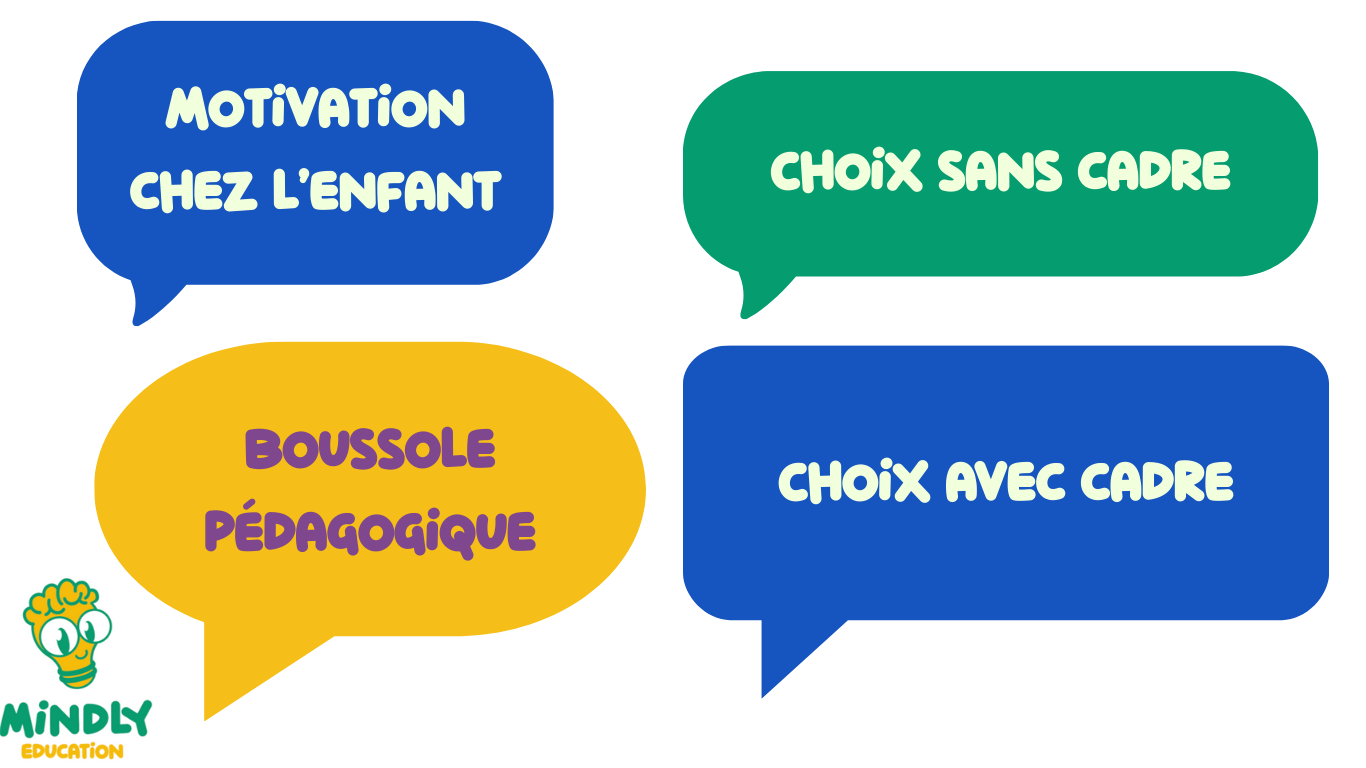
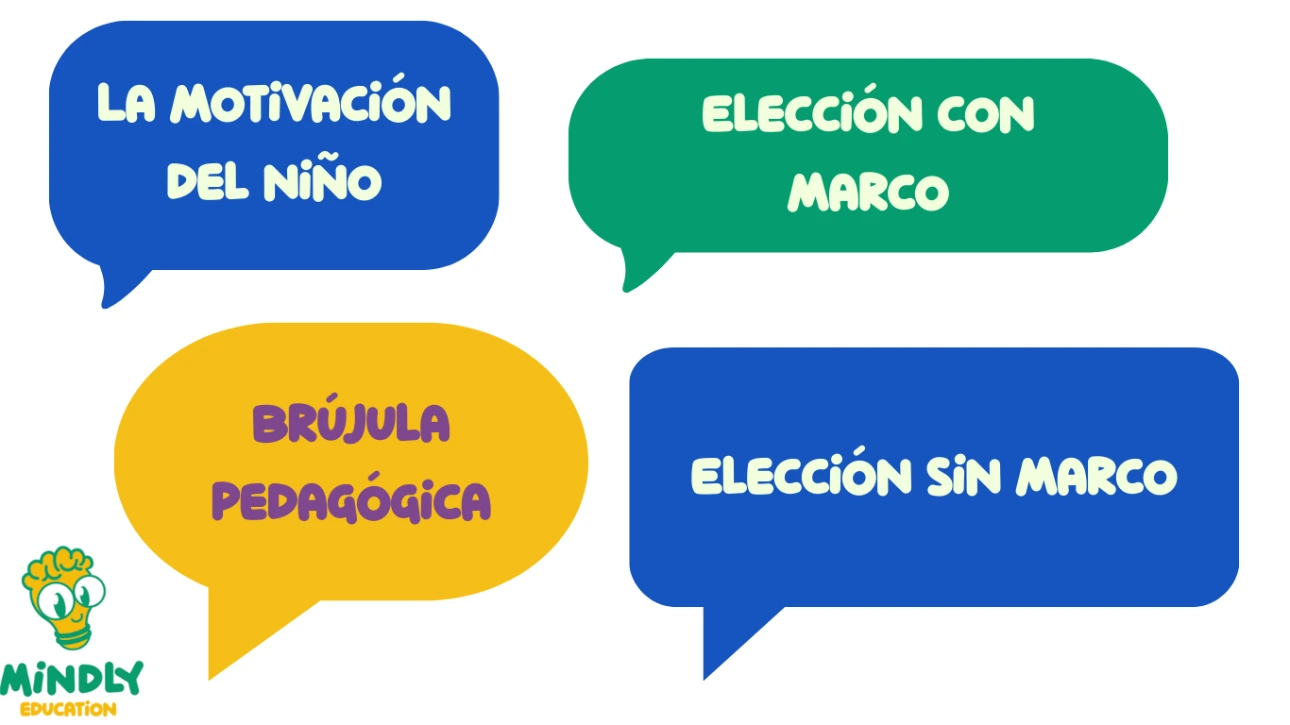
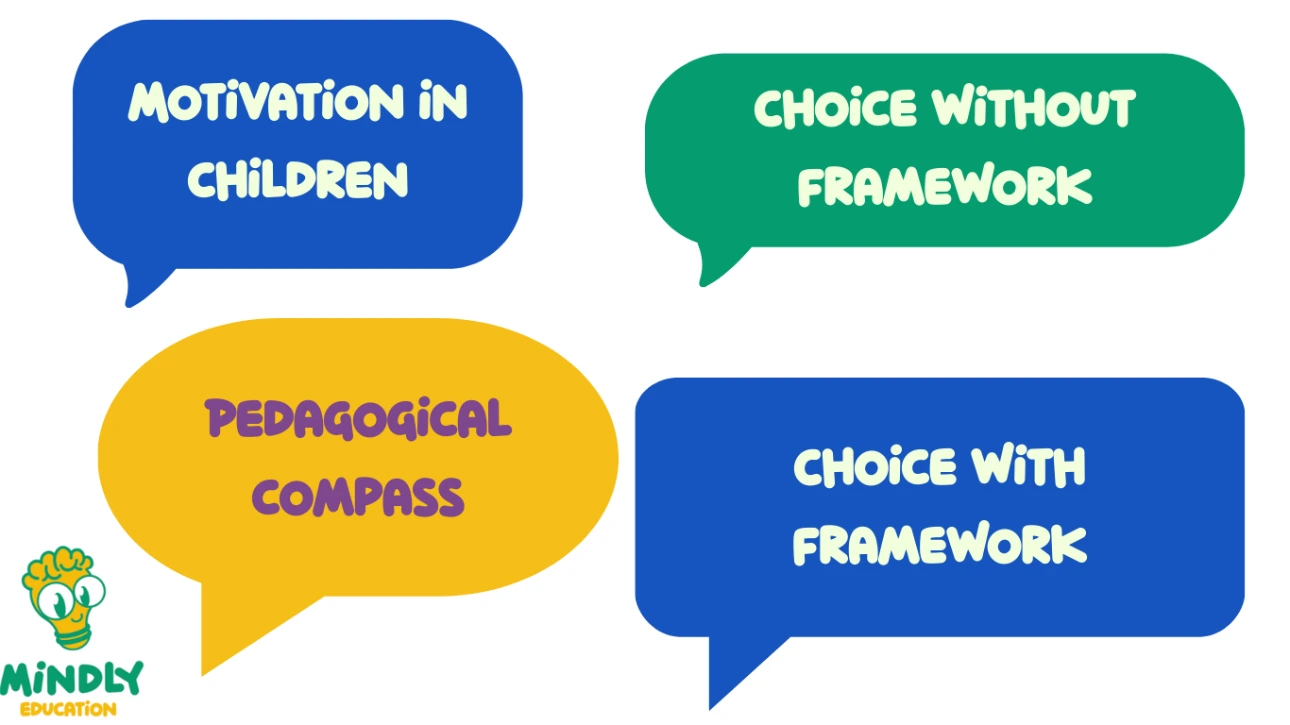
Key words of the Mindly
|
Motivation in children |
Motivation is the inner energy that drives the child to act, learn, and persevere. It determines interest, effort, and the duration of engagement in an activity. |
|
Choice without framework |
Giving choice without framework can lead to: |
|
Choice with framework |
Framing the choice: The framework structures the environment and offers reassuring reference points + It helps to channel freedom so that the choice is meaningful and accessible + It allows the student to feel secure while developing their autonomy + It promotes informed decision-making. Providing choice within a framework: Limit the options: offer 2 to 3 relevant choices that are appropriate for the level + Clarify the rules: specify what is expected, any potential constraints + Support the decision: guide the student by asking questions + Value the choice: acknowledge the decision made, encourage + Adapt according to the student: some will need more support than others. |
|
Pedagogical compass |
The pedagogical compass is a metaphor used to represent the fundamental principles that guide teaching and support practices for students. Just as a compass helps to keep on course, it serves to maintain focus on essential values and objectives in pedagogy. |