Kindness, yes but how?
Welcome parents!
Discover how kindness transforms the parent-child relationship and fosters a harmonious family environment. Learn to set clear boundaries while respecting your child's emotions and needs. Understand the impact of positive emotional interactions on self-confidence and emotional regulation, and receive practical advice on how to listen actively, value efforts, and encourage emotional autonomy.
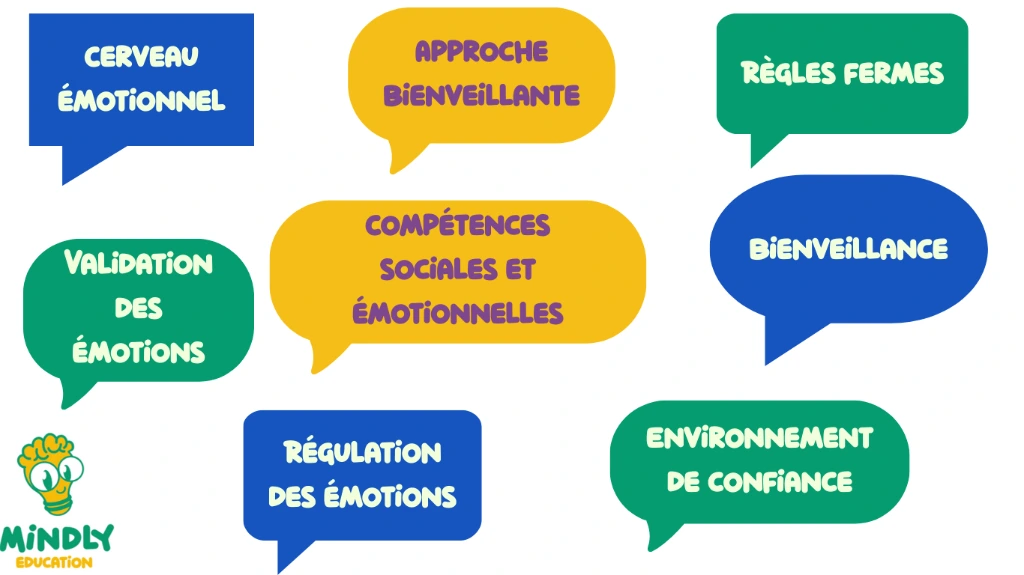
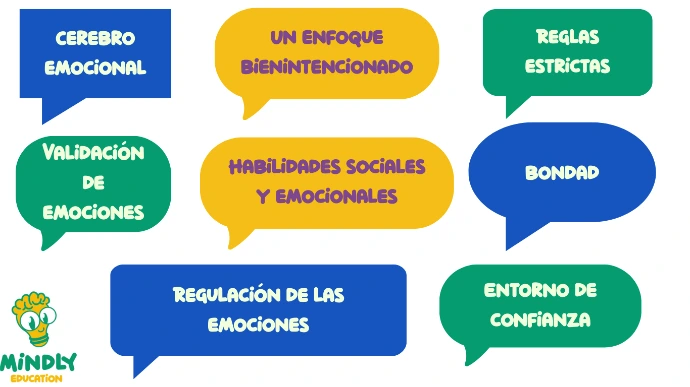
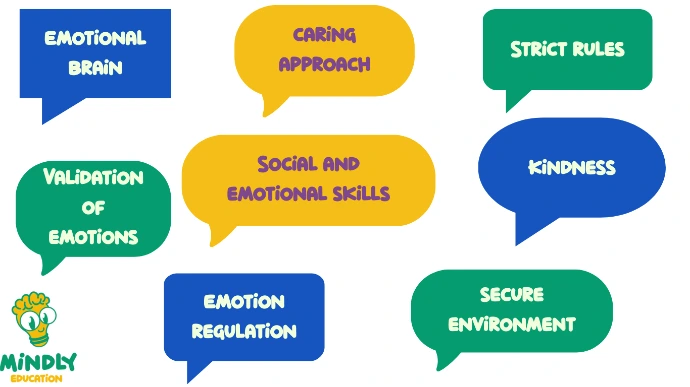
The key words of Mindly
Emotional brain
Neuroscience shows that parental kindness helps in the development of the child's emotional brain.
Kind approach
Setting clear and consistent boundaries is part of the kind approach in the family.
Firm rules
Positive discipline combines kindness with firm but respectful rules.
Validation of emotions
It is important to validate your child's emotions before explaining the rules or asking them to change their behaviour.
Social and emotional skills
Adopting kindness helps children develop strong social and emotional skills.
Kindness
Kindness is only practiced when there is a problem; it is unnecessary to integrate it into daily life. The principle of kindness is based on the balance between considering the emotional needs of the child and establishing clear rules.
Emotion regulation
Kindness through dialogue allows the child to learn to regulate their emotions and better understand their needs.
Trusting environment
Open and kind communication strengthens the parent-child relationship and encourages a trusting environment.