The fruitful constraint
Setting a firm and respectful framework
Welcome parents!
Discover how saying "no" can become a powerful educational tool for your child's development. The fruitful constraint allows the child to move beyond immediate desires and build richer aspirations. Learn to set clear, consistent, and caring boundaries while valuing delayed gratification. Understand that structuring frustration fosters patience, resilience, and emotional intelligence.
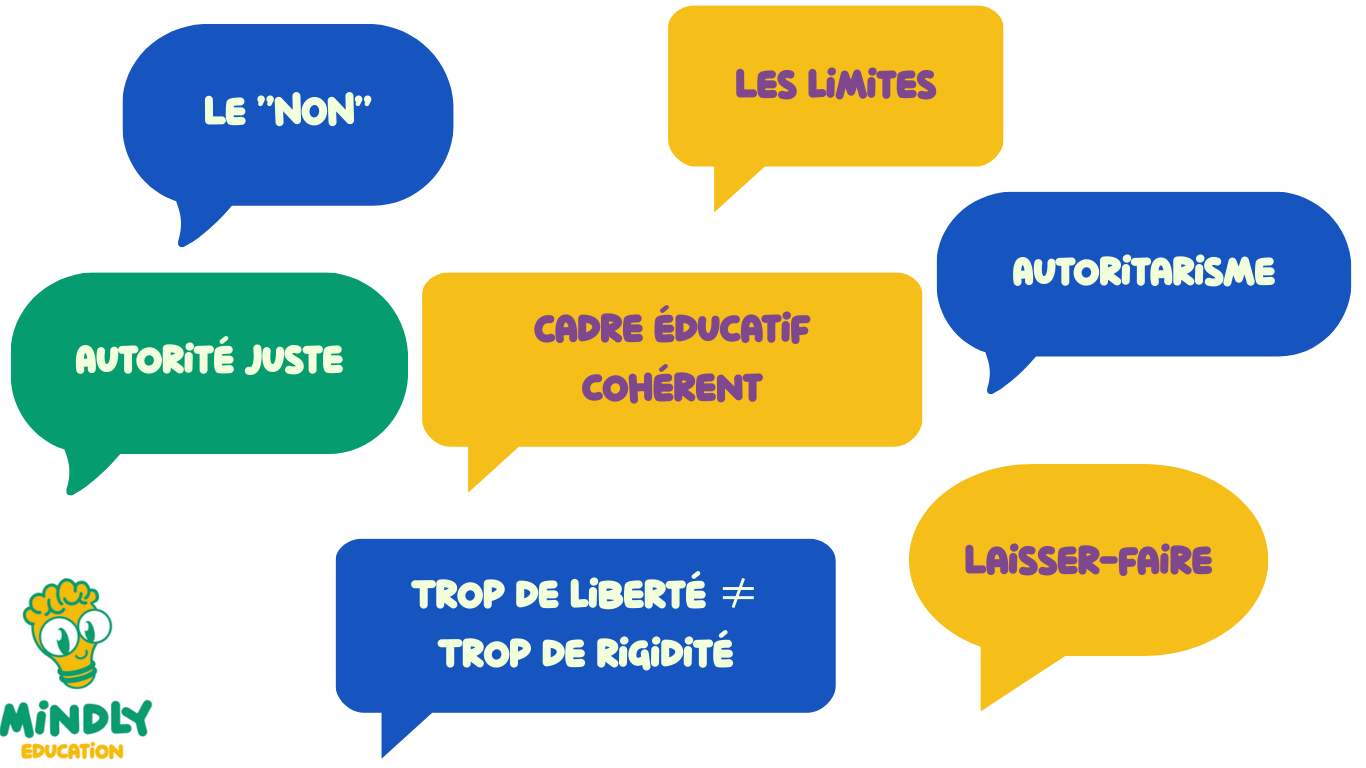
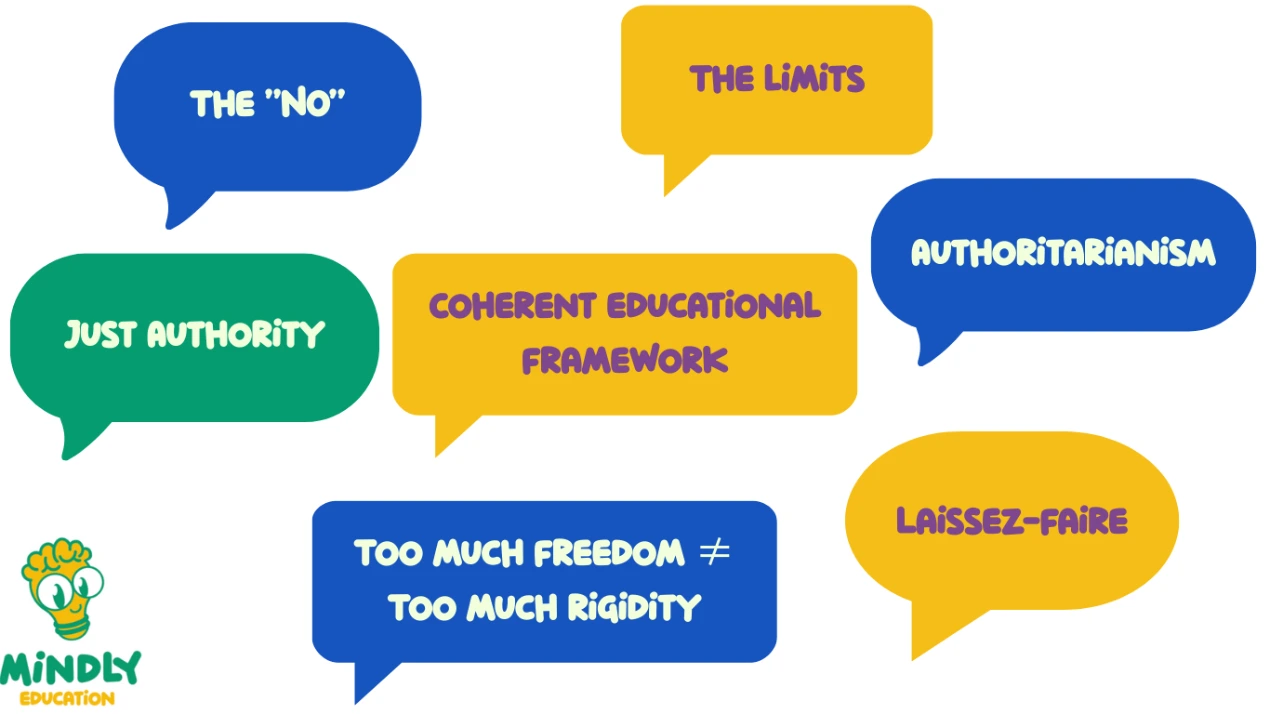
The key words of Mindly
The "NO"
Saying "no" to your child: setting limits with kindness. Saying "no" to a child is necessary to help them develop within a secure framework. It is neither a punishment nor a rejection; it is an educational act when delivered with clarity and respect.
When an adult sets a limit firmly and kindly, a child generally experiences a mix of security, temporary frustration, and sometimes relief.
In summary, although the immediate reaction may be difficult (anger, tears, opposition), the medium and long-term effect is often positive: the child feels understood, supported, and respected, which promotes their emotional and social development.
The consistent educational framework must adapt to the child's age and needs.
Consistency is not about applying the same rules blindly, but about remaining constant in educational values while adapting to the situation, the age, and the child. This helps to build a climate of trust in which the child can grow peacefully.
The child needs reference points to understand what is allowed and to feel safe.
Too much freedom = insecurity, anxiety, overflowing behaviours.
The ideal is a freedom within a clear framework, with understandable, evolving rules, explained with respect.