The role of play in learning
Welcome education professionals!
This Mindly highlights the essential role of play in learning and the overall development of children. Based on the work of Vygotsky, Piaget, and contributions from neuroscience, it shows how play stimulates motivation, curiosity, creativity, and cognitive and social skills. Play promotes active, differentiated, and experiential learning while reducing stress related to assessment. When integrated in a structured way, it becomes a powerful pedagogical lever for student engagement and success.
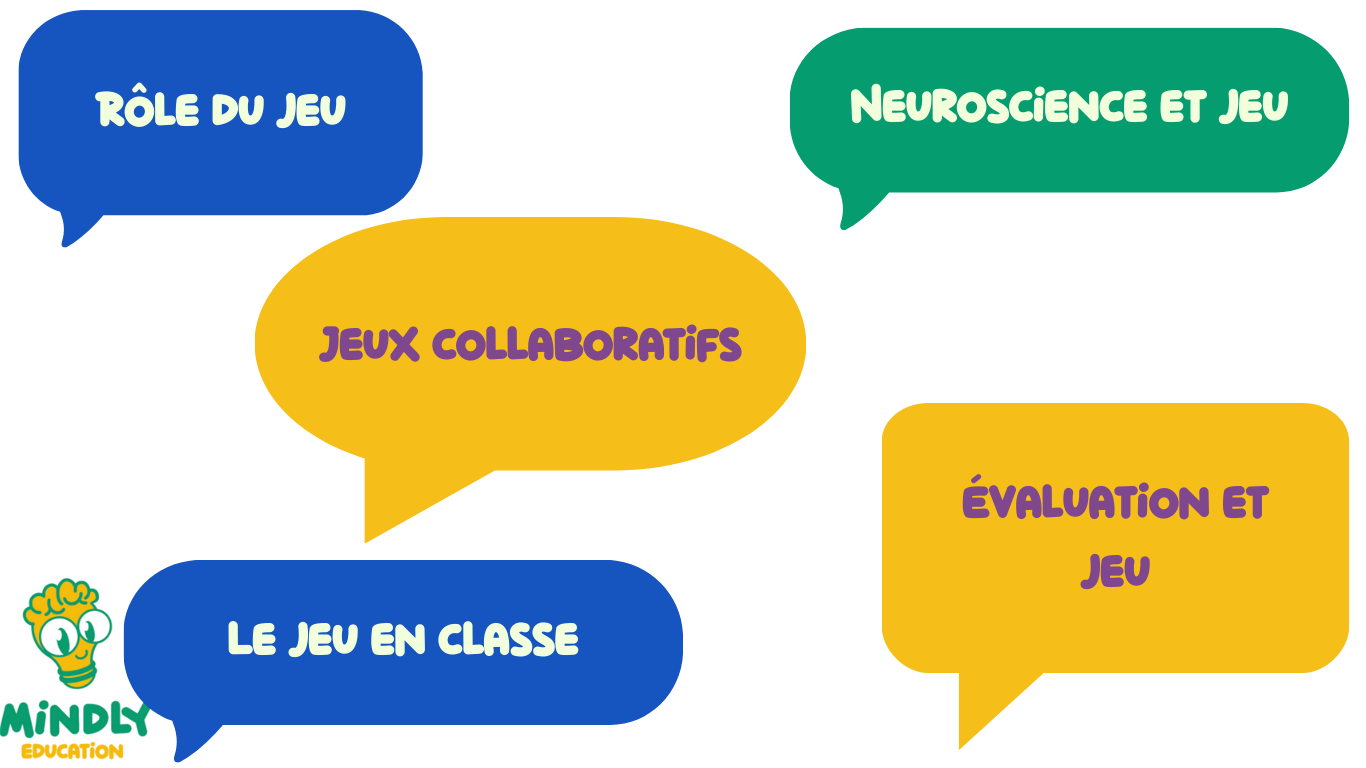
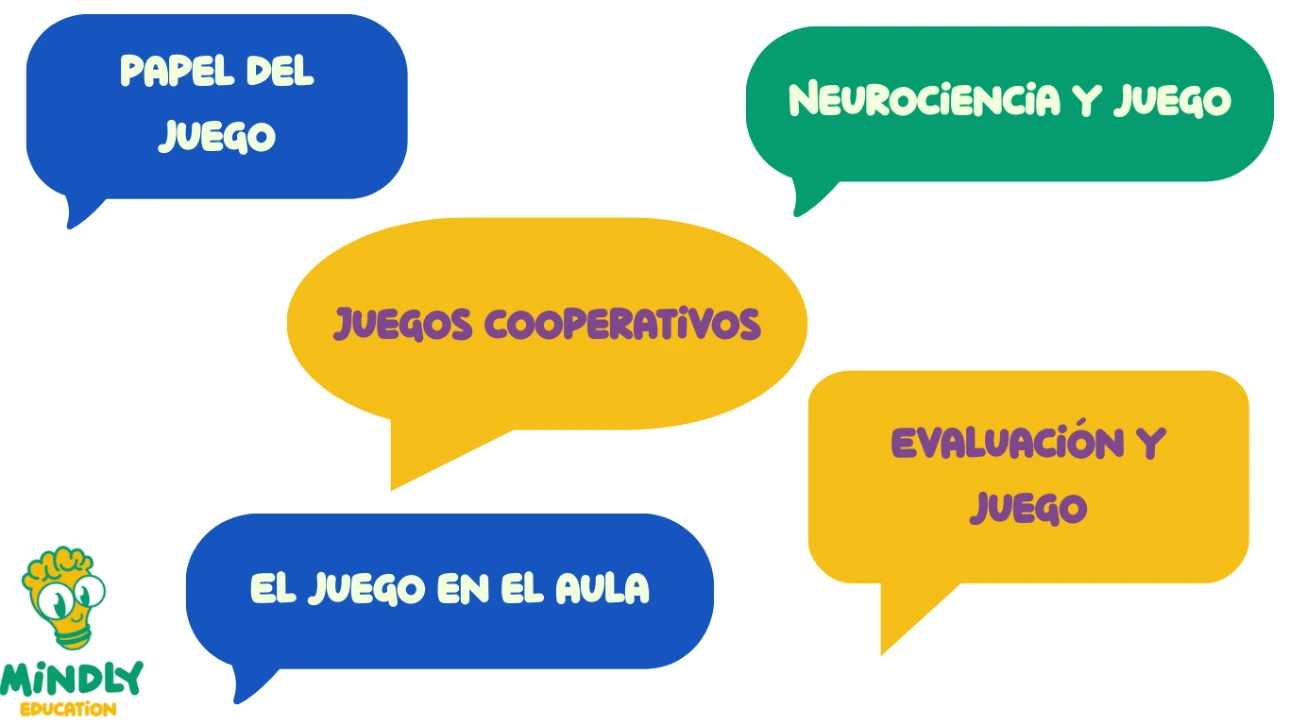
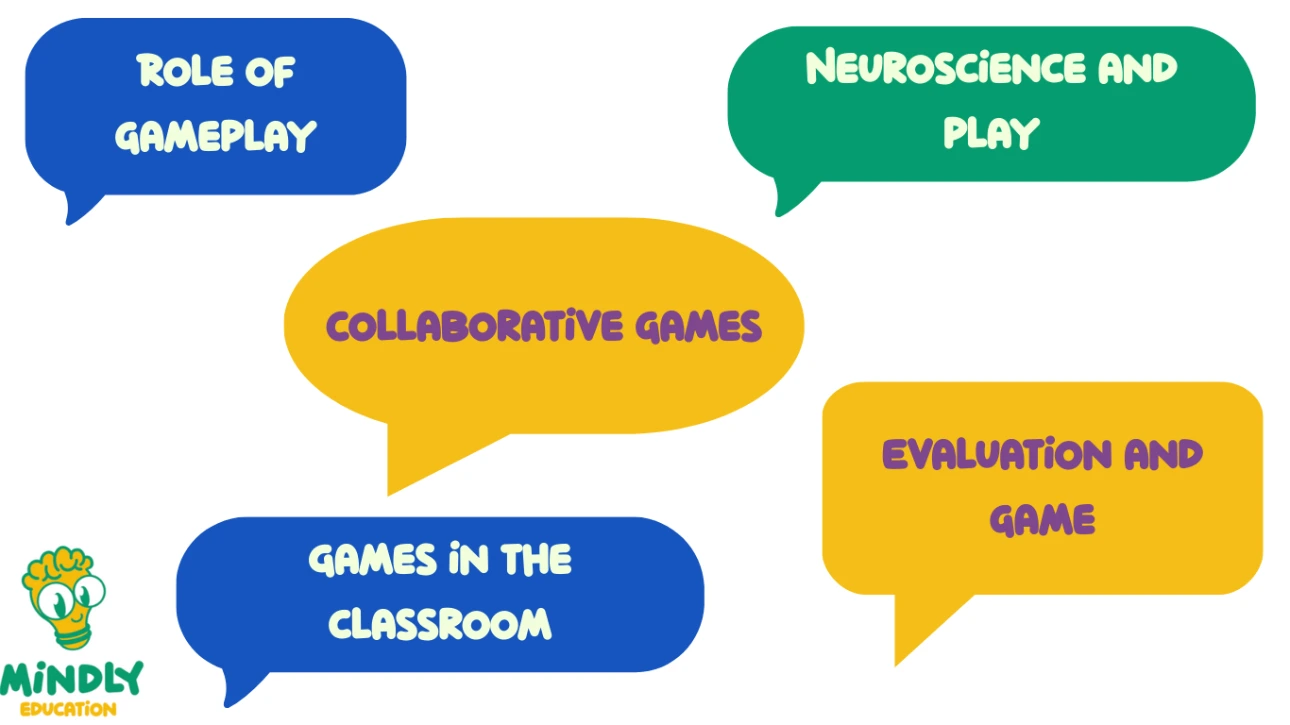
Key words of the Mindly
|
Role of play |
Important in cognitive development. Play allows children to develop their symbolic thinking through imaginative activities and social roles. It is essential for cognitive enhancement, enabling children to test and adapt their hypotheses about the world. |
|
Neuroscience and play |
Neuroscience shows that play stimulates areas of the brain related to memory, creativity, and problem-solving. Play encourages children to find solutions to challenges, develop strategies, and collaborate, which strengthens their ability to solve problems. Studies in neuroscience, particularly those conducted by Stanislas Dehaene, highlight the importance of playful interaction in cognitive development. |
|
Collaborative games |
Collaborative games promote social learning by strengthening skills such as communication and conflict resolution. |
|
Assessment and play |
The assessment of learning through play can be done using methods such as formative assessment or self-assessment. Formative assessment - This involves the use of playful activities to continuously assess students' skills, allowing them to improve over time. Self-assessment - This method encourages students to reflect on their own learning and performance, often using games or playful activities to facilitate this reflection. |
|
Play in the classroom |
Play allows for a natural adaptation of activities according to the students' levels, thus facilitating differentiated teaching. One of the benefits of play in the classroom is that it enhances students' intrinsic motivation. The role of the teacher in a playful context is to support students while setting objectives to guide learning through play. |