The emotional wave
Welcome education professionals!
This Mindly video helps professionals better understand the emotions of children and adolescents.
Emotions are psychological, physiological, and motor responses that influence behaviour, relationships, and learning. The wave metaphor helps to understand that emotions rise, peak, and then naturally fall. Recognising and validating emotions supports students' well-being, motivation, and engagement. In groups, supporting emotions fosters an empathetic climate and essential socio-emotional development.
Emotions are psychological, physiological, and motor responses that influence behaviour, relationships, and learning. The wave metaphor helps to understand that emotions rise, peak, and then naturally fall. Recognising and validating emotions supports students' well-being, motivation, and engagement. In groups, supporting emotions fosters an empathetic climate and essential socio-emotional development.
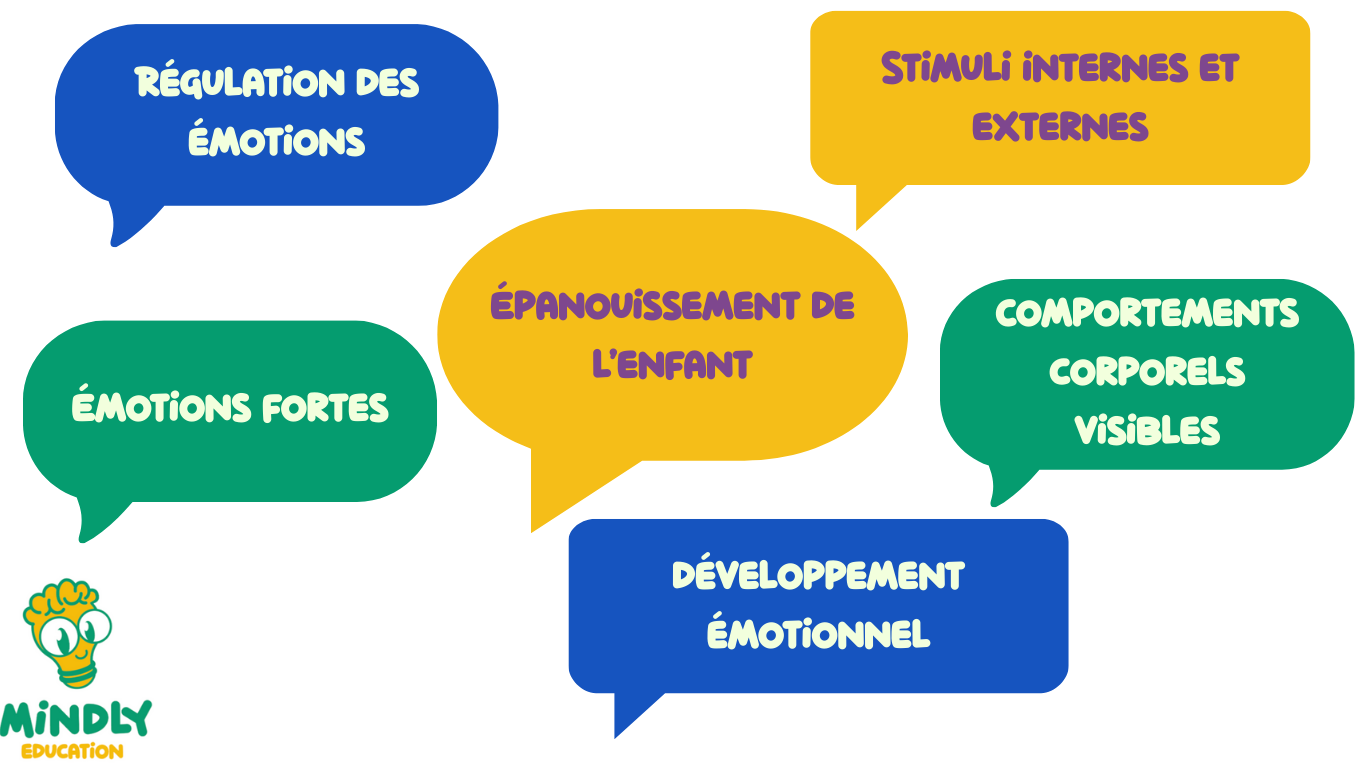
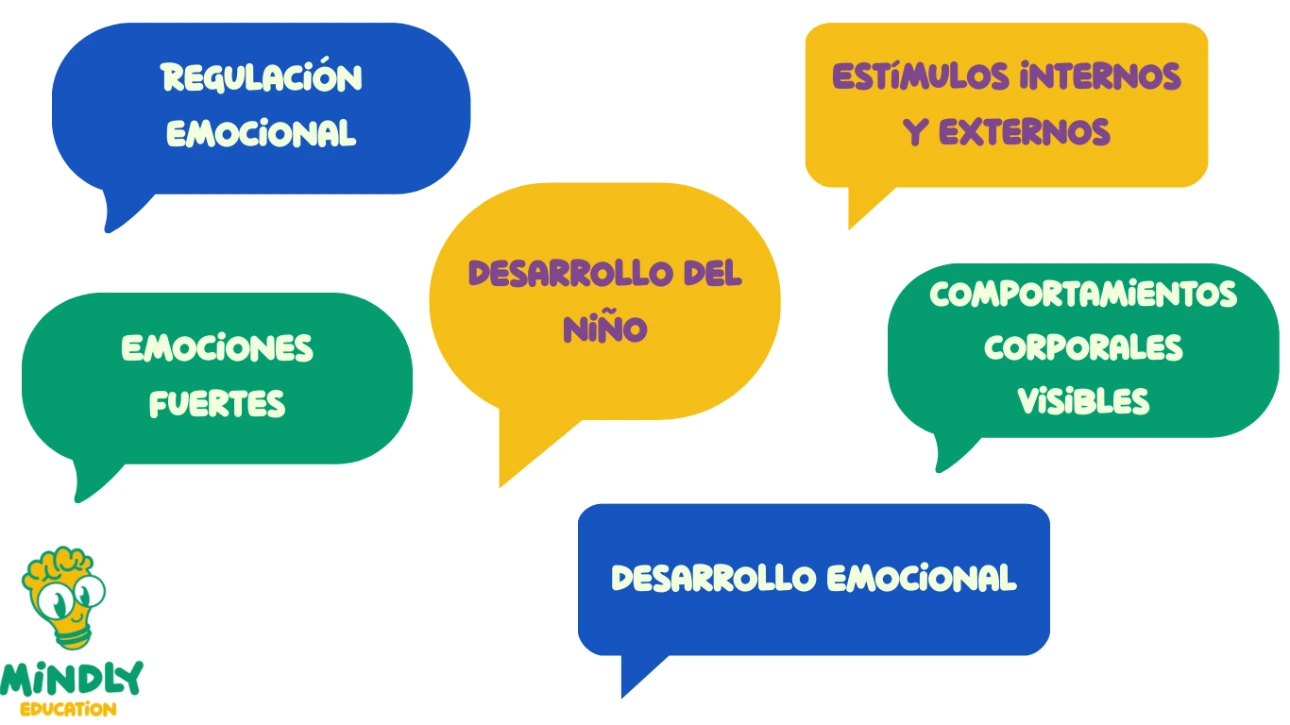
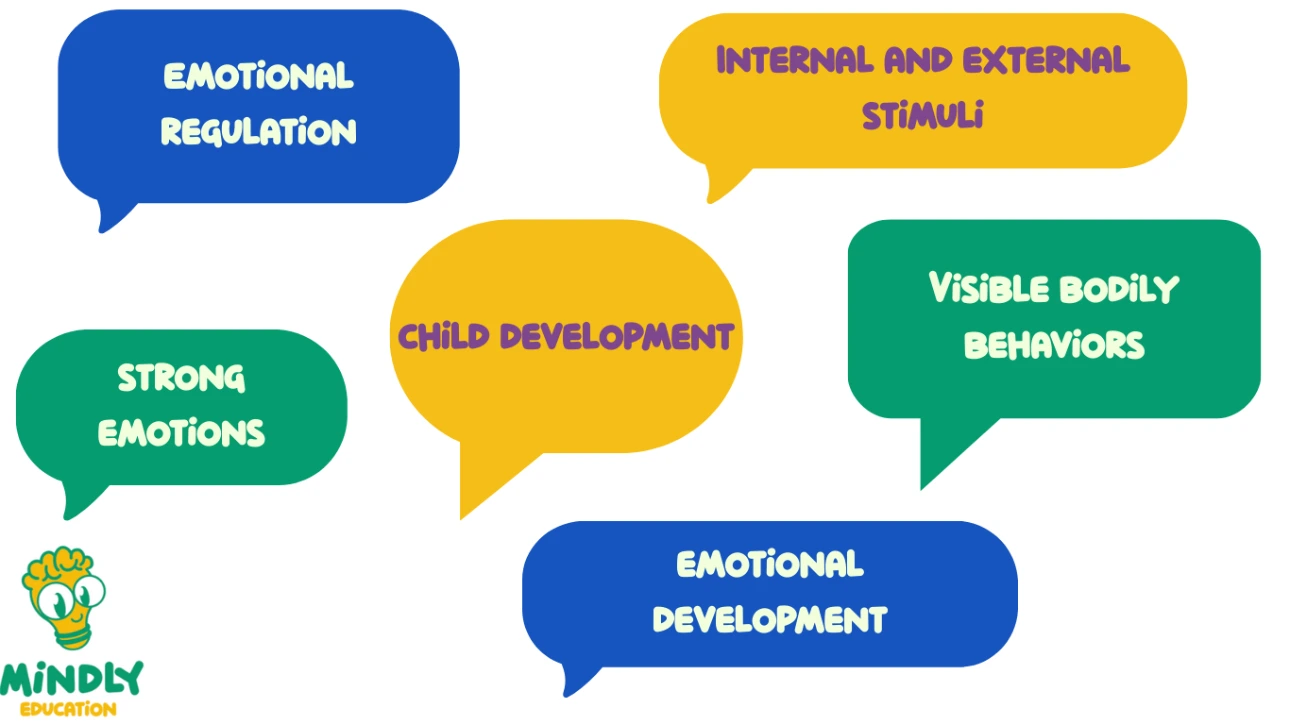
The key words of Mindly
|
Emotion regulation |
Learning to identify and regulate one's emotions is important for a child's development. |
|
Child development |
Strong emotions are a natural part of a child's development. |
|
Internal and external stimuli |
Emotions are triggered by internal stimuli (thoughts, memories) or external stimuli (environment, social interactions). |
|
Visible bodily behaviours |
Emotions are often expressed through gestures, postures, or facial expressions. |
|
Strong emotions |
Strong emotions such as anger or anxiety can hinder concentration and learning. |
|
Emotional development |
All adults can help children identify, understand, and regulate their emotions to promote their emotional development. |